











-


Cryptocurrency mining is a process that usually involves high energy consumption due to the complex levels of computation required. In order to minimise the carbon footprint associated with the first digital currencies such as Bitcoin, alternative models with a low environmental impact have been developed. These are known as green cryptocurrencies.
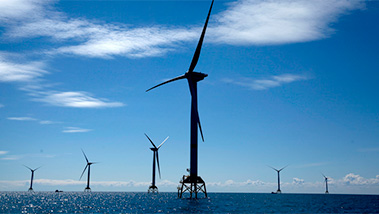
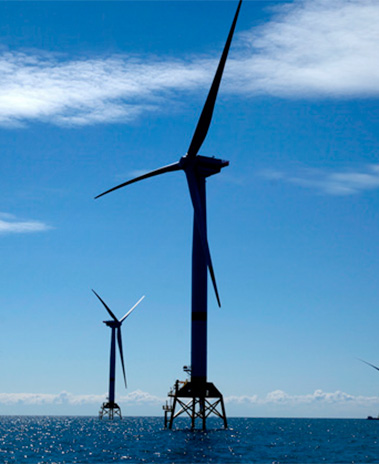
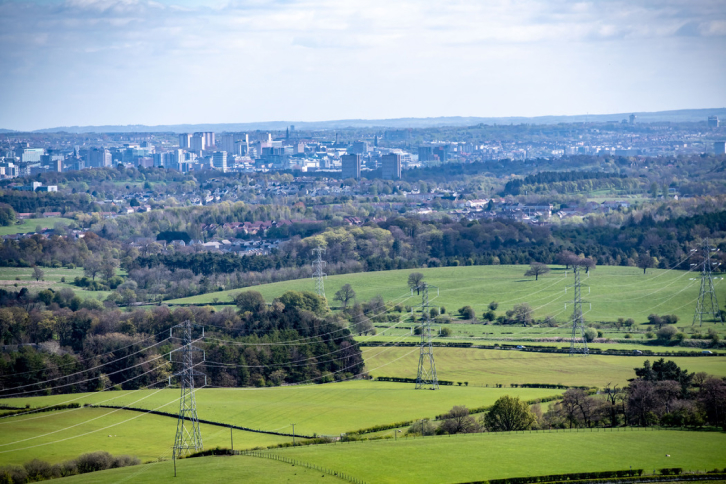
From wind and solar to nuclear and green hydrogen, we break down the different energy sources and explore their role in reducing emissions, creating jobs and driving energy independence.
-
From wind and solar to nuclear and green hydrogen, we break down the different energy sources and explore their role in reducing emissions, creating jobs and driving energy independence.


Climate change is threatening food security all over the planet, and the same goes for water security. This concept can be defined as the capacity of a society to have enough adequate quality water available. It analyses the condition of surface water and subterranean aquifers and the use made of it with a territorial focus.
-
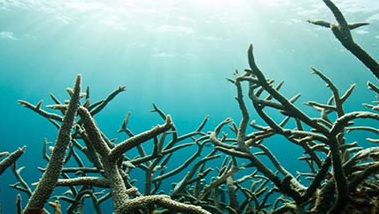
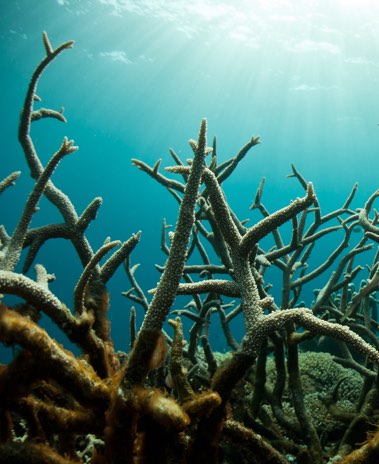
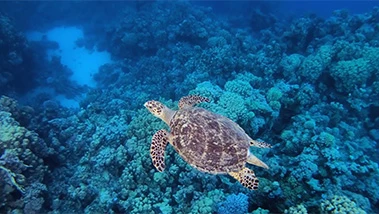
The carbon dioxide (CO2) emissions we release into the atmosphere not only worsen air quality, but also have an impact on the health of the oceans. Specifically, they cause a phenomenon known as acidification, which reduces the pH of the water, modifying its chemical composition and seriously affecting marine organisms. Solutions include reducing the use of fossil fuels in favour of renewable sources.



The paradigm shift in mobility, which advocates for electric vehicles that do not harm the environment, is driving the increasing spread of charging points. Thus, also known as electric charging stations are beginning to become an everyday reality in the landscape of cities and roads. Here we tell you how they work and the different types of charging they offer.
-
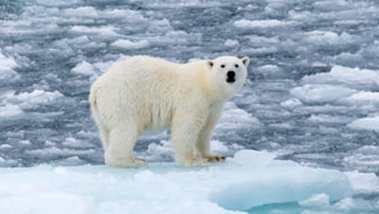
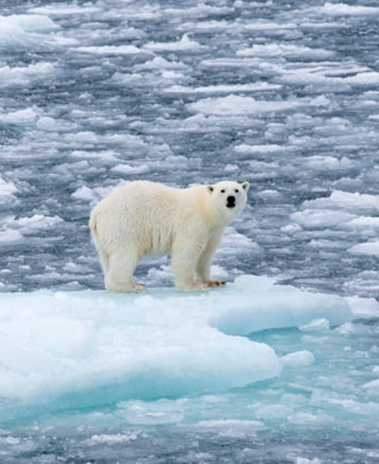
The sea ice is a floating ice sheet that forms in the polar ocean regions. The survival of, for example, polar bears depends primarily on the early formation of this icy surface, as it is here that they hunt. According to satellite observations that began in 1979, the average maximum extent of the Arctic during the months of March is decreasing decade by decade, confirming a worrying trend.


A study published in 2020 by the prestigious journal 'The Lancet' directly contradicted the forecasts being made by the United Nations (UN) about the future population of the world. At the time, the UN was predicting that there would be 11.2 billion people on the planet by the year 2100. 'The Lancet', meanwhile, reasoned that the global population would peak in 2060 and then fall to 8.8 billion by 2100 thanks to improvements in education for women and better access to contraception.


